Is it Autism Friendly?
Disney’s Aulani, Honolulu
Score: 6 out of 8 Read on to find out why
Our Approach
Our autism friendly reviews are not about rating enjoyment, luxury, or whether a visit was “fun.” Instead, they assess whether an environment is genuinely accessible and supportive for autistic people and families. Each review is grounded in a consistent set of criteria, including visible signs of welcome and safety, clear pre-planning information, disability or companion pricing, alternatives to waiting, intuitive and signposted wayfinding, clearly explained and well-signed processes, sensory accommodations, access to quiet or sensory spaces, and staff attitudes toward disability and difference. The aim is to provide practical, predictable information that supports informed decision-making, so autistic travellers can better understand what to expect and decide what will work for their individual needs.
Disclaimer: Autism is experienced differently by each individual, and access needs can vary widely. These reviews reflect observed features and available supports rather than a guarantee of suitability for every person. What works well for one autistic person or family may not work for another, so we encourage readers to use this information as a planning tool alongside their own knowledge of individual needs and preferences.
Correct as of: 16 January 2026
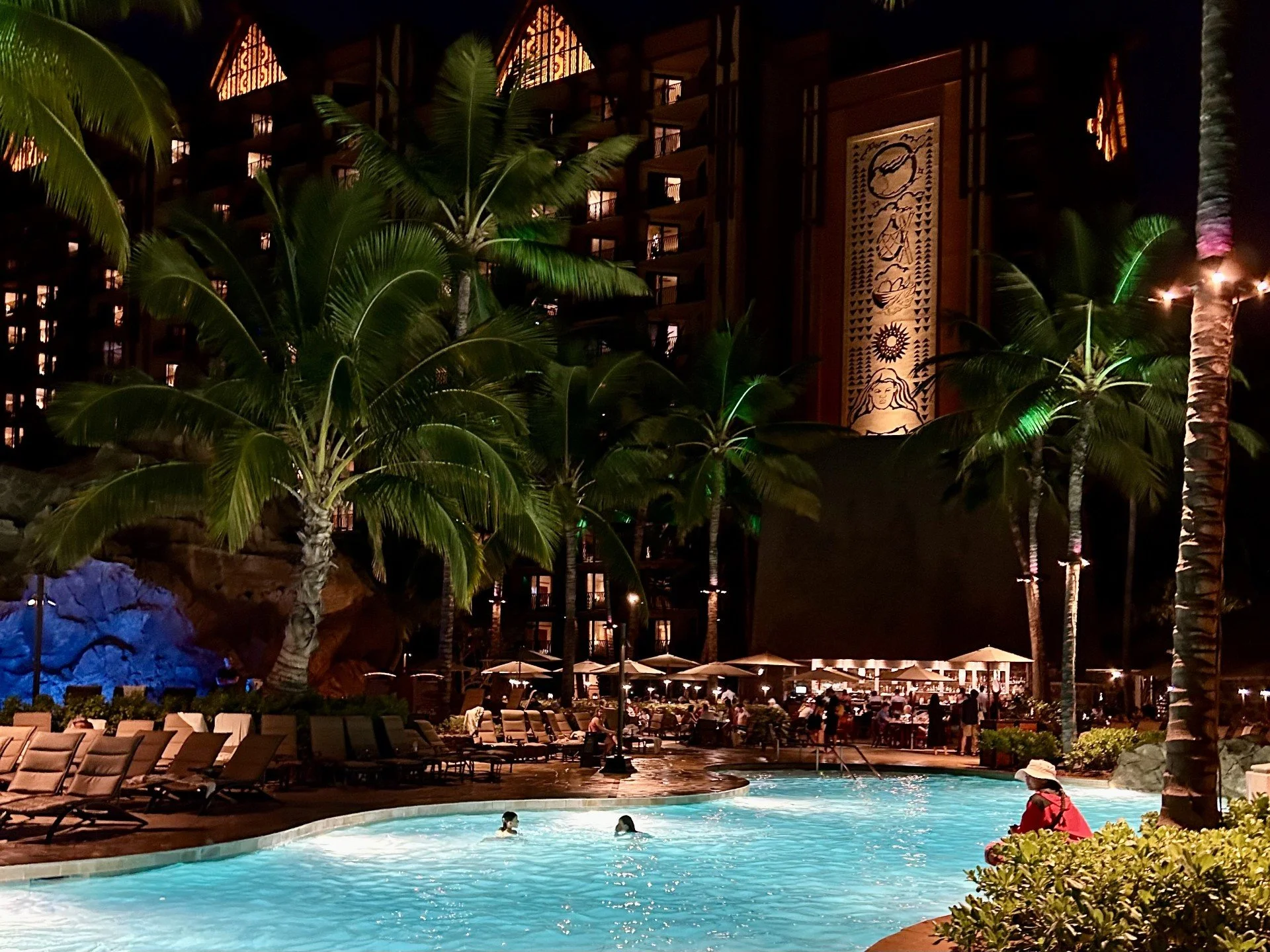
Introduction
As a family who absolutely loves visiting the Disney resorts, this had been a buck-list, dream destination for a long time. The opportunity to visit came about as a stop-over between Sydney and the Mainland US, in the peak time of Christmas and New Years’ 2025.
As with all of our autism-friendly reviews, the goal is not perfection, but to understand how thoughtfully the environment meets and has considered a range of needs of Autistic people.
Spoiler: We found this environment fairly autism-friendly, and this is now one of my favourite places I have ever been to. The junior reviewers also had the very best time too. Also, for ways of how to get stay at this resort for about half the rack rate stay to the end.
Let’s break it down…
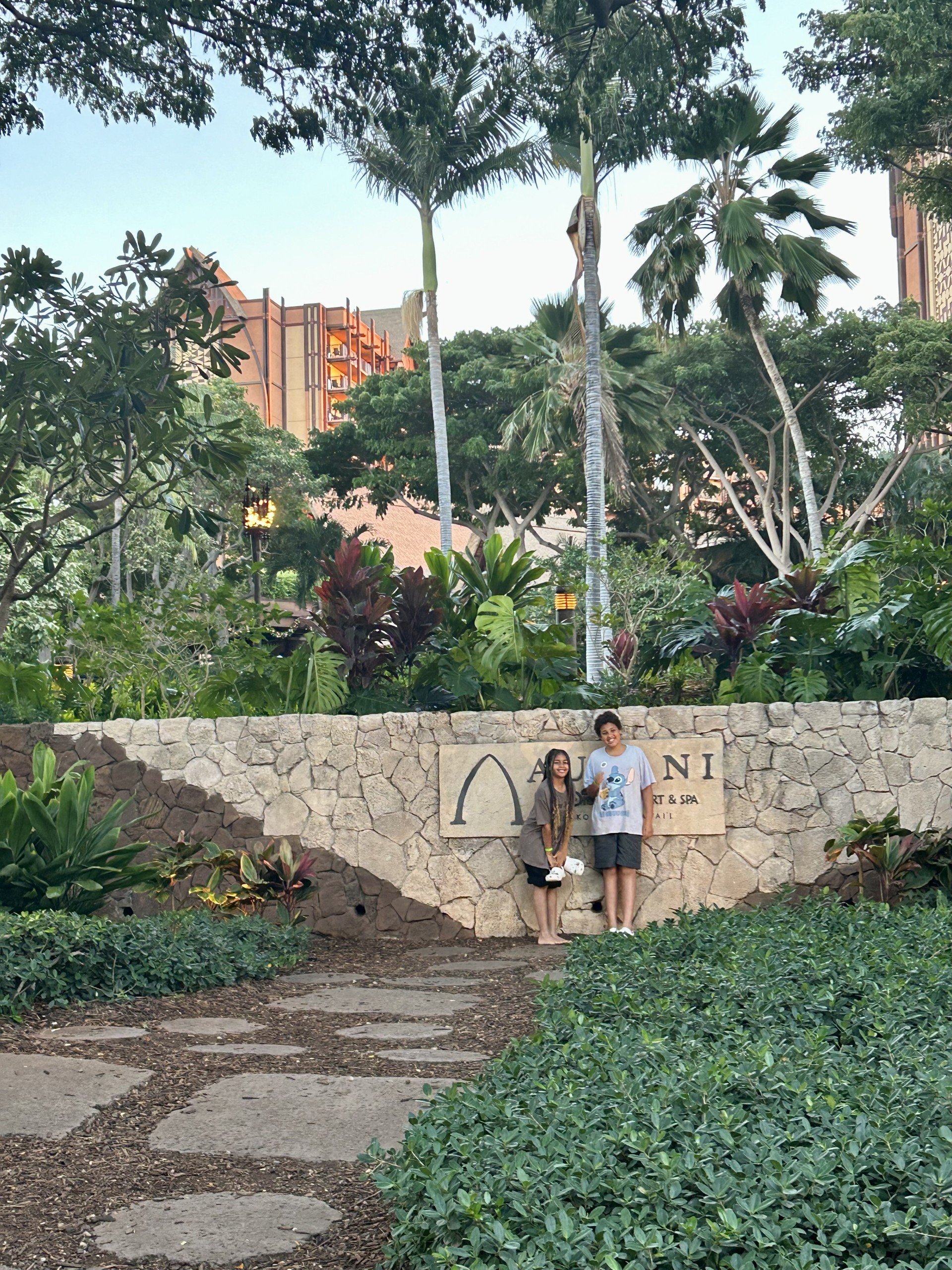
Signs of Safety and Welcome - Score 0 out of 1
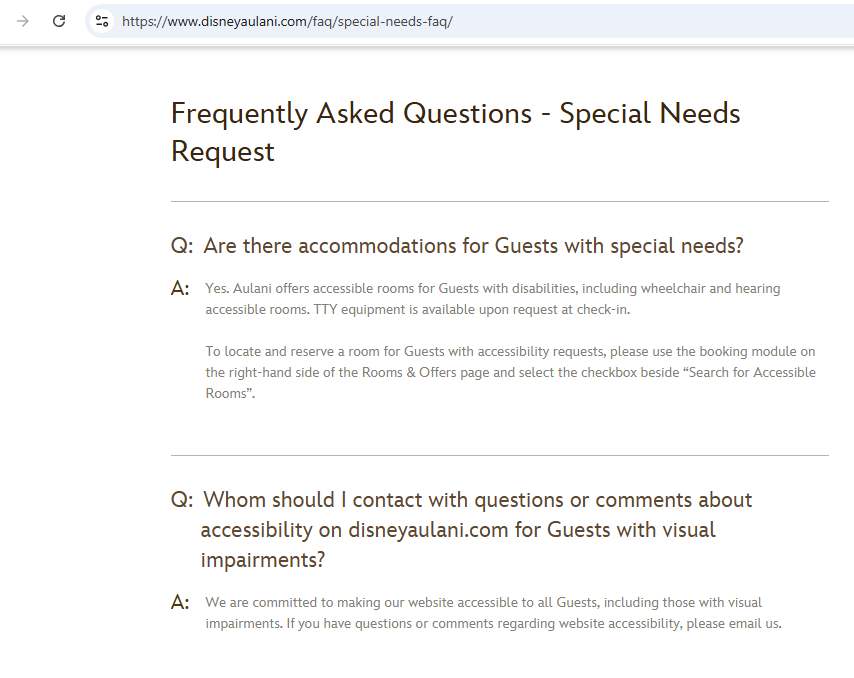
When Autistic travellers or their parents/carers are deciding if an environment is going to be welcoming or not, we typically look for signs of safety such as an Accessibility tab on a website (with information about accessibility for people with hidden disabilities), or evidence they are signed up to the Sunflowers Hidden Disability program. These signs show that on organisation has considered and sought to accommodate our needs. When reviewing Disney’s Aulani Resort’s website there was no indication that they have signed up to the Sunflower’s program, and there was only information about physical disability on the website. There was also no signage on site at the property to indicate an association with Sunflower’s. Additionally, I checked the information about the kids’ club to see if there was anything about accommodations for Autistic or Neurodivergent children - but there was nothing in this area either.
Pre-Planning Information - Score 2 out of 2
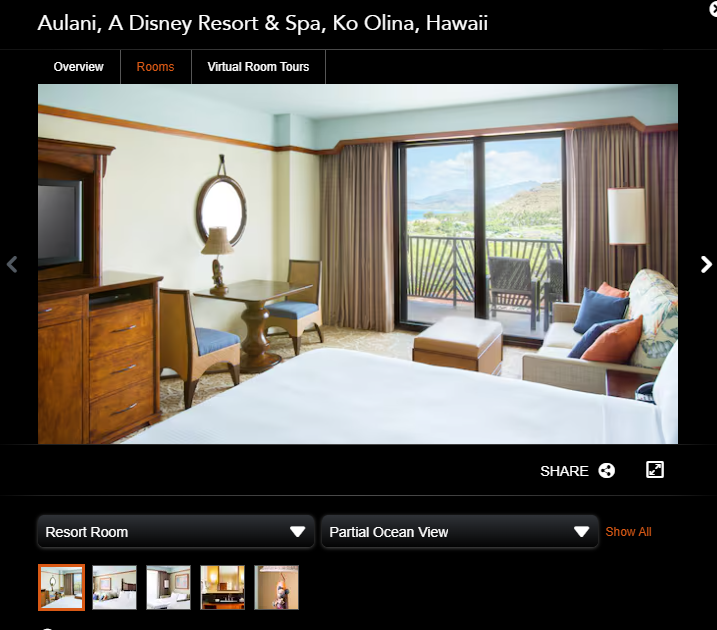
When planning our holiday to Aulani, I went to the website to see if I could get an understanding of what our room would be like, the layout of the grounds as well as what amenities existed on-site. The website had pictures and virtual room tours of all of the different room categories, as well as all of the leisure amenities. Also really helpful is when hotels outline what restaurants are available and copies of menus. These existed on both the website as well as an app.
In fact, between the app and the website, most things that you could possibly want to know about the resort were included. Some highlights include: parking and transportation; pre-registration to kids club and even suggestions for things to do around Oahu.
Not included in this review, but important for readers at home is to say that if you want walk-throughs of the resort, there are so, so many on YouTube!
The only suggestions for improvement under this section would be to include: an official walk-through of the resort on the website, and potentially add a visual story to the Accessibility tab of the website.
Wayfinding - Score 1 out of 1
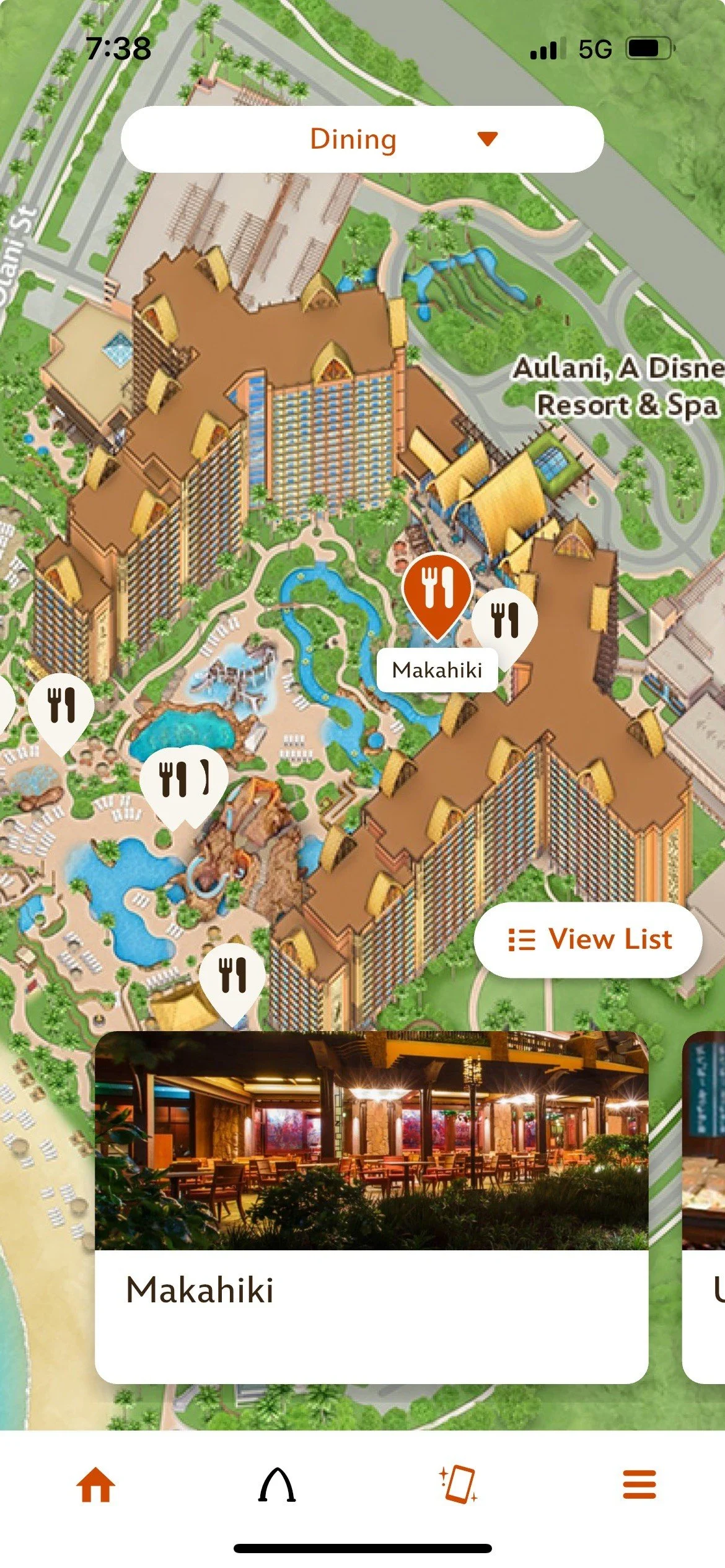
Clear wayfinding in an environment can help Autistic people and their parents/carers reduce anxiety, and promote independence in a new environment by providing predictability and structure. Aulani does this amazingly! Throughout the resort, there are clearly labelled and well-maintained maps, the mobile app is super helpful on the go around the resort, and there is clear and logical directionals throughout the resort.
Waiting - Score 1 out of 1
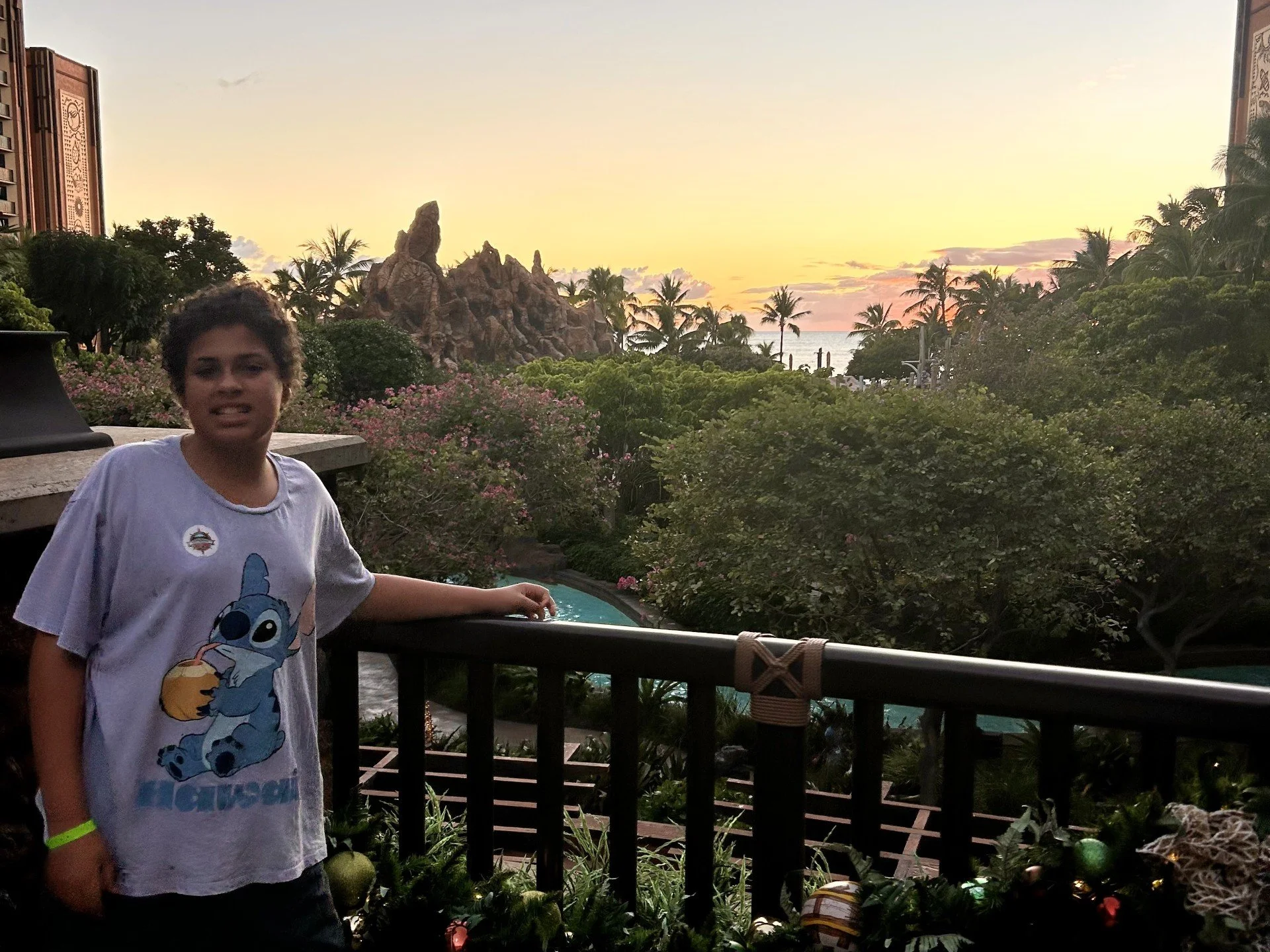
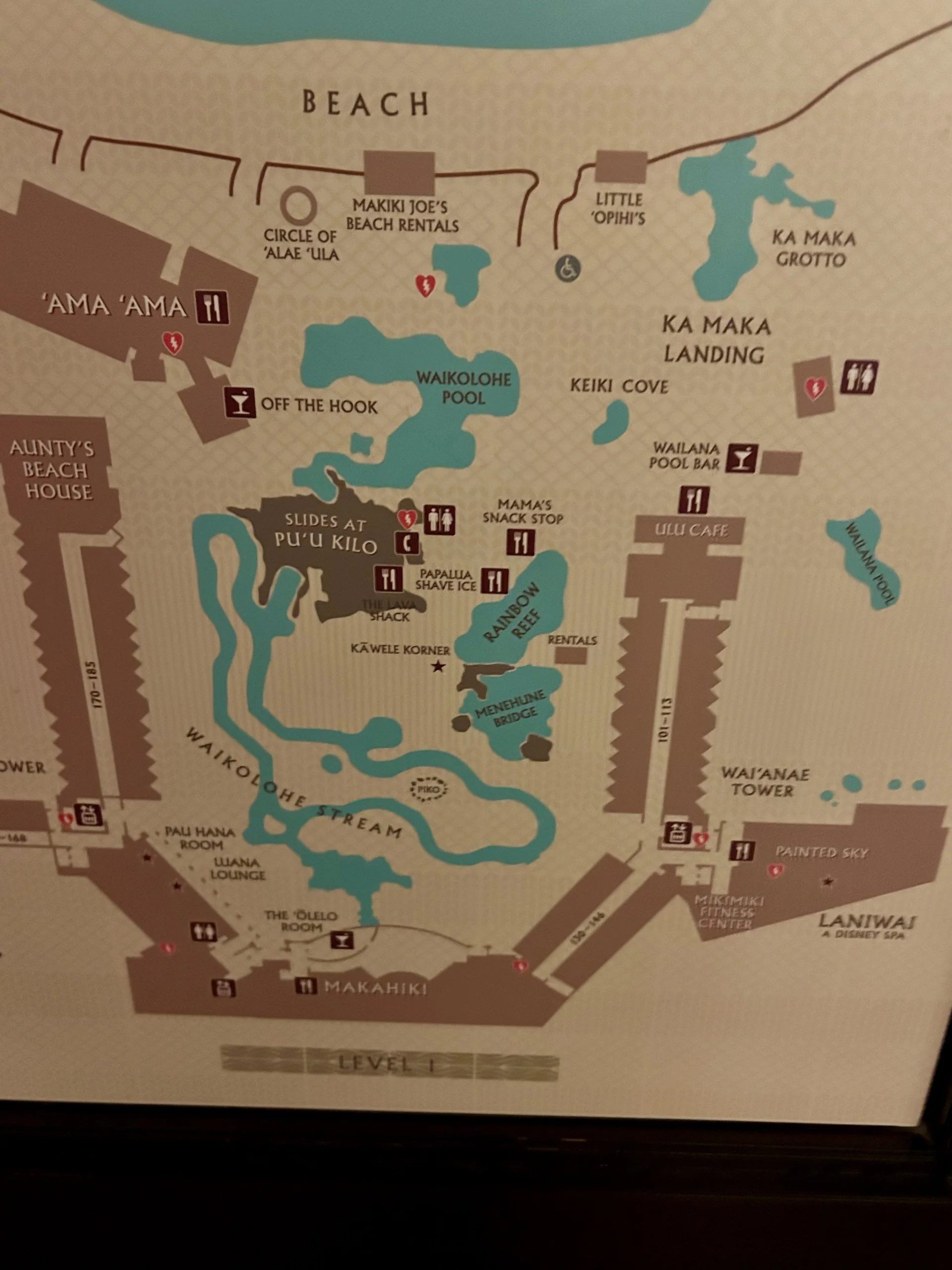
Waiting is something that can be really tricky for Autistic people, and this is another area that Aulani scores reasonably well in because of a few universal design elements. The first is mobile check-in. Disney allows you to check-in to your room on the app in advance of your stay. You will receive a notification to your mobile phone when your room is ready. This means you just need to drop by the front desk to pick up your key. If you have a Magic Band+ from a Disney park visit, you can now skip the front desk and use this to open your room. The accompanying photo shows how Bear waited during check-in (not at all difficult!).
Another tool you can use to cut down on waiting around the resort is the ability to mobile order food. Instead of waiting in line to order your food, in some dining locations there is the option to order and pay on the app and you will be notified when your order is ready for collection.
The only part of the resort where waiting sometimes became somewhat of an issue was using the waterslides. As our stay occurred in between Christmas and New Years, it was rather busy at the park and the line could get along. There is no process for ameliorating this wait, however this may not be an issue at other times of the year and is not worth removing half a mark for.
Knowing what to do - Score 1 out of 1
In this section of the review we examine how clear processes are, and how well they are communicated. This may be through signage, staff, instruction or labelling of spaces. At Aulani, this is another area where Disney shines. Where there are rules/processes that exist around the resort that could be unique to Aulani, they are well-articulated and signposted.
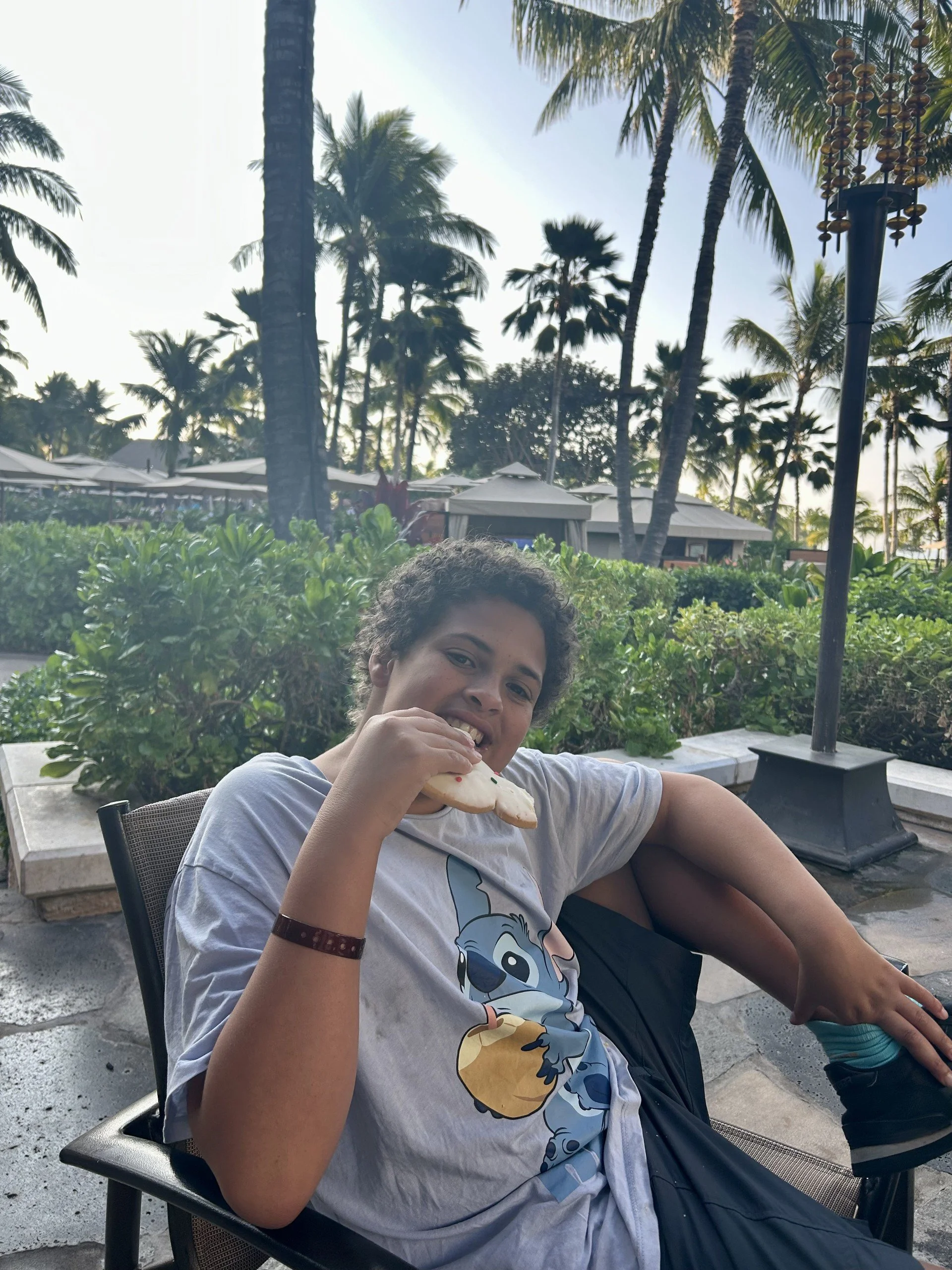
For example in the picture to the right there are two signs. The Pool Chair Policy sign and Pool Rules in Japanese (the same sign is repeated in English on the reverse side). This makes knowing what is expected of you throughout the resort really simple.
This approach to signposting rules and processes is consistent throughout the resort e.g. instructions for the waterslide, a green and red light to tell you when to go down the waterslide, what areas are for guests only, instructions as to how to get your visitors guest band, and safety information about the beach.
Sensory - Score 0 out of 1
Rather than looking at the sensory environment, which often has limitations in how much can be changed, this section will investigate what considerations exist to make the environment easier to exist in. As mentioned earlier, this is a very large resort and during peak times can be very noisy and busy and there is not much that can (or should) be done about this. What would be helpful though that at present, don’t exist are a sensory map and quiet area in the common areas so families like ours don’t have to go back to their room if they need to regulate themselves.
Another feature that would be really helpful for Autistic travellers would be access to loan weighted blankets, so we don’t have to use the bulk of our luggage allowance on a weighted blanket. Lastly, having a collection of sensory tools that can be borrowed would also be a welcome addition.
Staff - Score 1 out of 1
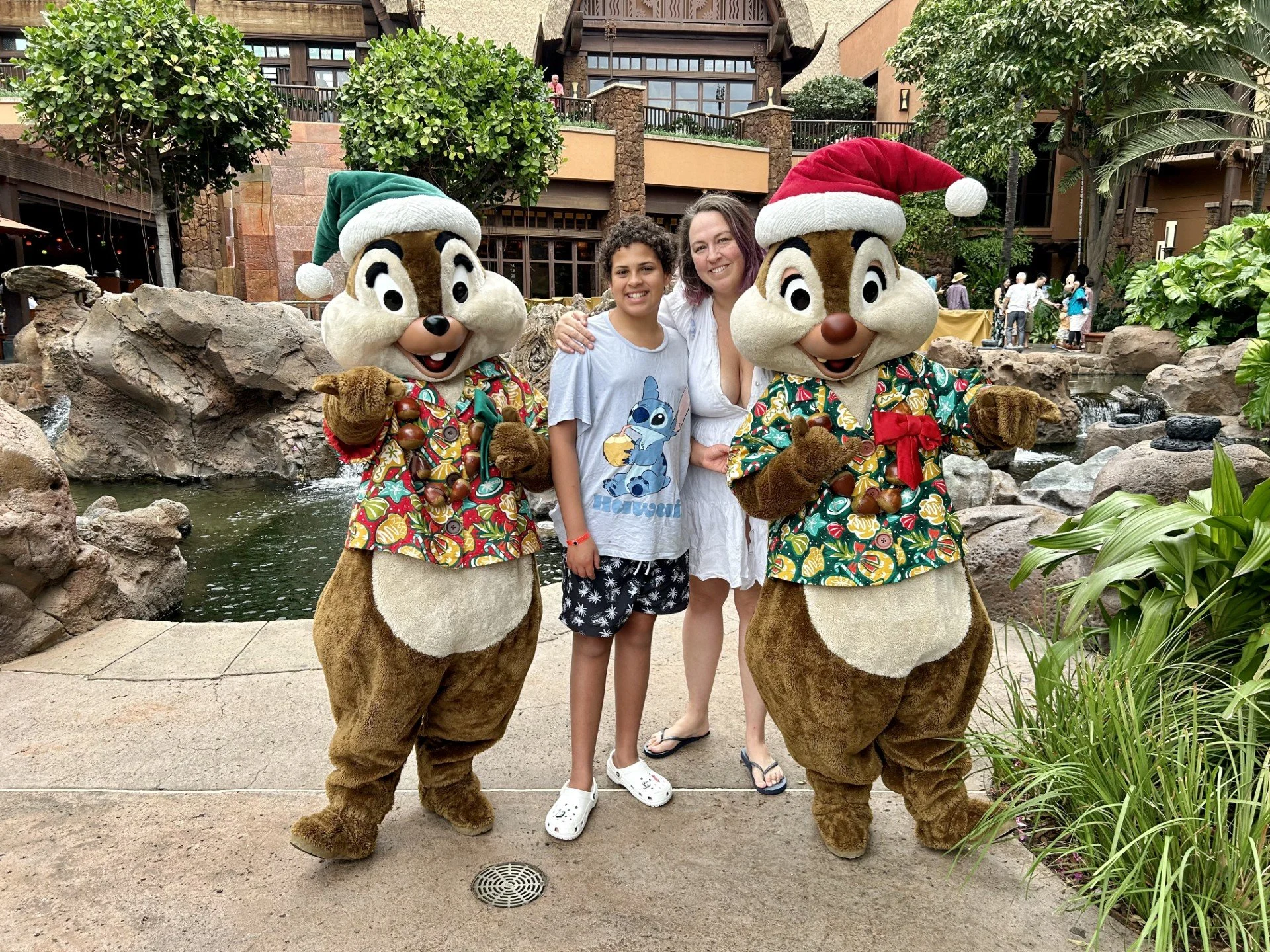
In this section of the review we look at how the staff interact with the members of our travel-party, particularly my son, Bear who has higher support needs and is more ‘obviously autistic’. Over this stay, my son had the opportunity to interact with many of the staff. Whether it was the characters (and their handlers), recreation staff who supervised the slides, lifeguards, or staff in the quick-services restaurants (who were patient and attentive as he practiced ordering), we experienced nothing but kindness, patience and pleasant exchanges.
Would I visit again?
In short…yes, in a heart-beat! We are hoping to travel there again next year, although next time I would be a bit more intentional about our dates and go in low or shoulder season. I highly recommend to other families like ours to do similarly in regard to planning.
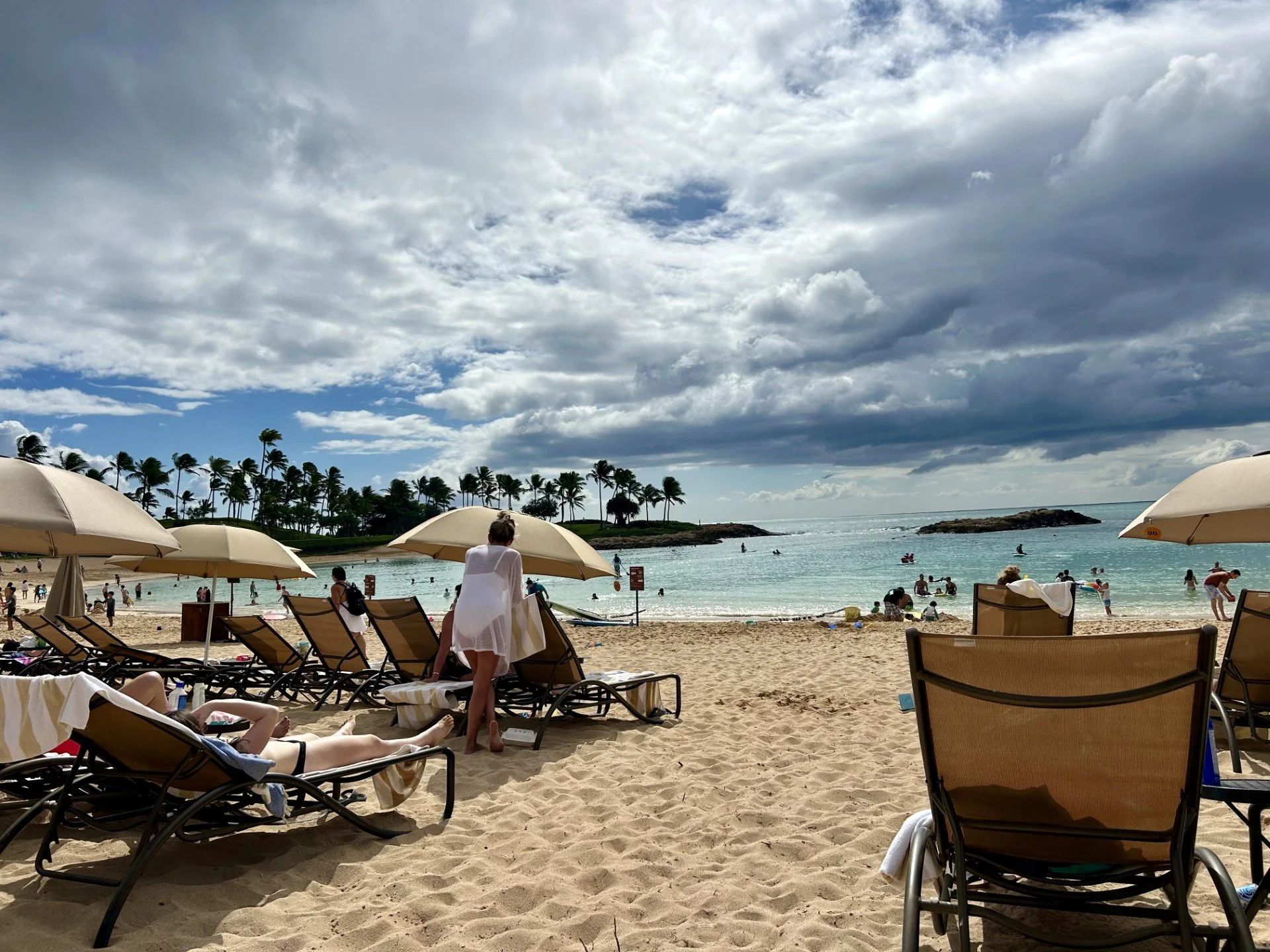
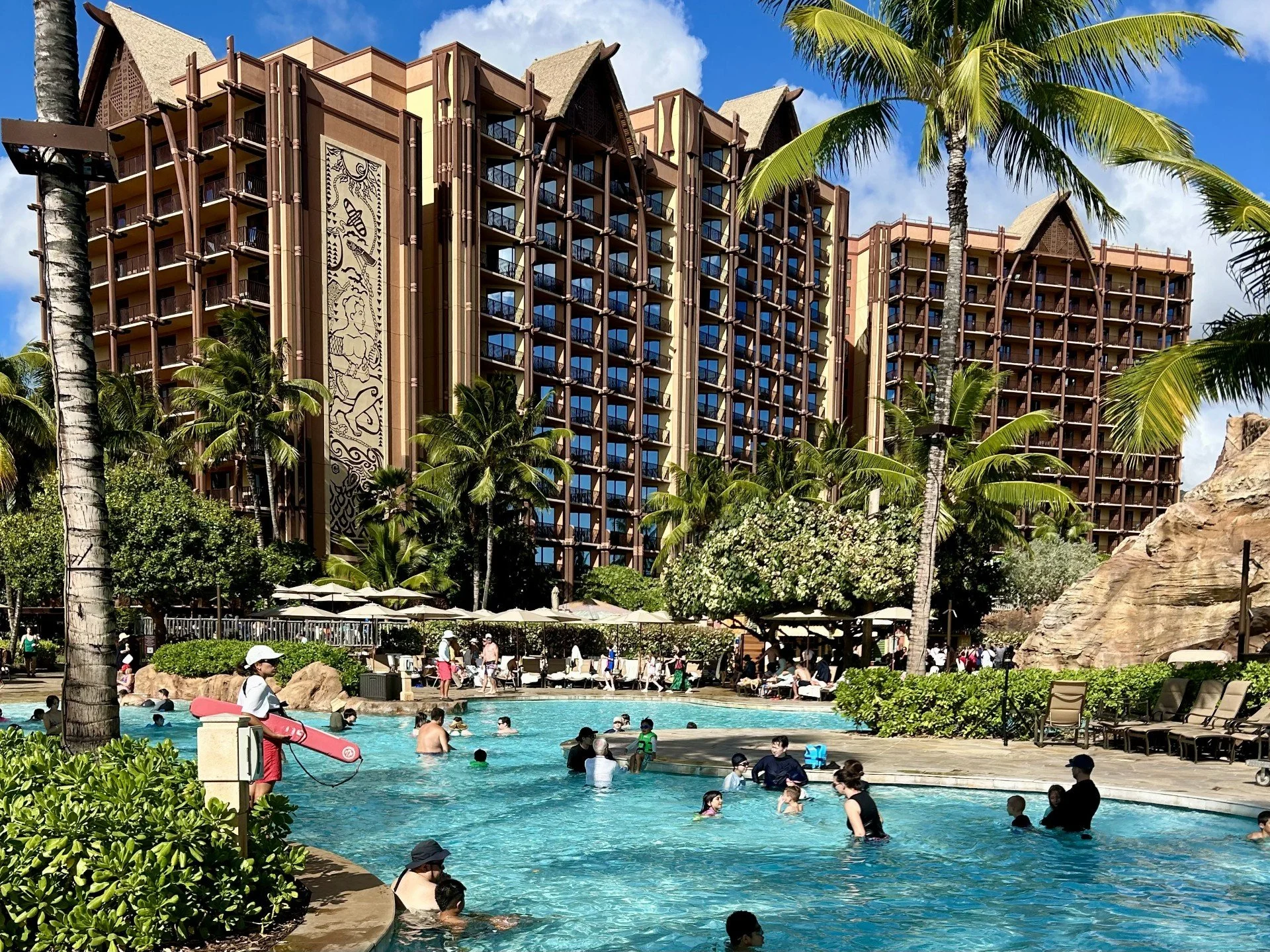
There is nothing I don’t love about this resort. The rooms are spacious, comfortable and well-decorated, and there are so many things to do from the many pools, lagoon beach, waterslides, menahune trail, kids’ club and giant lazy river, to the spa for the grown ups. Add in consistently kind, patient staff and clear, predictable systems, and Aulani becomes a place where families can genuinely relax rather than constantly problem-solve.
Suggestions For Self-Support
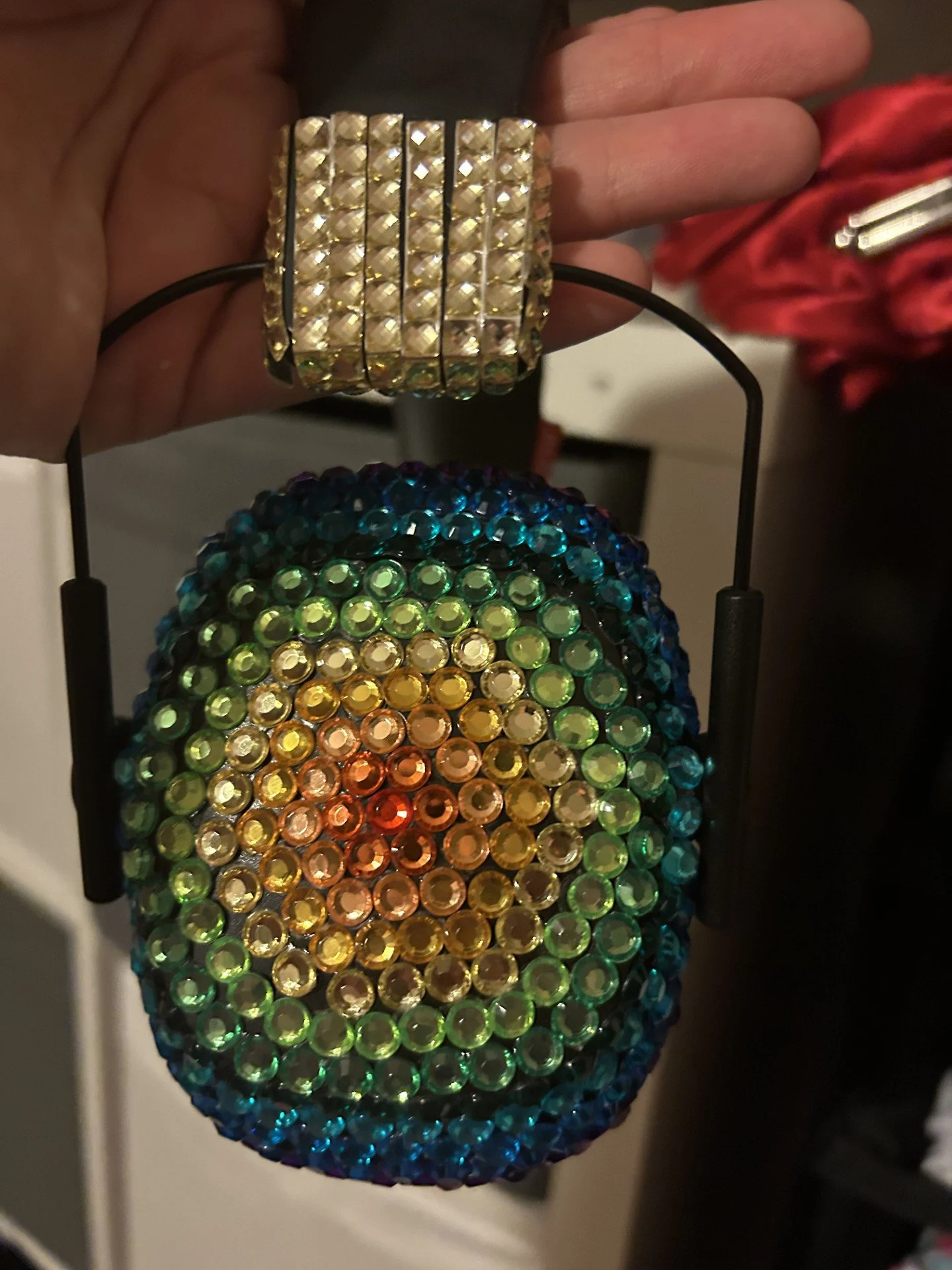
If you are sound sensitive, make sure to pack a pair of ear-defenders, headphones or Loops as this is a large, busy and noisy resort.
If you want to use the slide or lazy river with reduced wait times, try to stick to either when it first opens or just before it closes for the day (these times tend to change so see the Aulani app for current times).
Download the Aulani app before you check-in and do your check-in ahead of time. If you intend to use MagicBand+ to unlock your room door, these can also be purchased ahead of time on the US Disney Store (sorry Australians, they don’t ship here yet).
If you are planning to use the Kids’ Club whilst you are there, make sure to fill out the registration form ahead of your visit here.
If you need a weighted blanket to sleep, make sure to bring these with you.
If you/your child has safe foods that they need access to and you do not want to leave the resort, consider using Instacart or Doordash to have these delivered. You must be there to take delivery on these as Aulani will not store them.
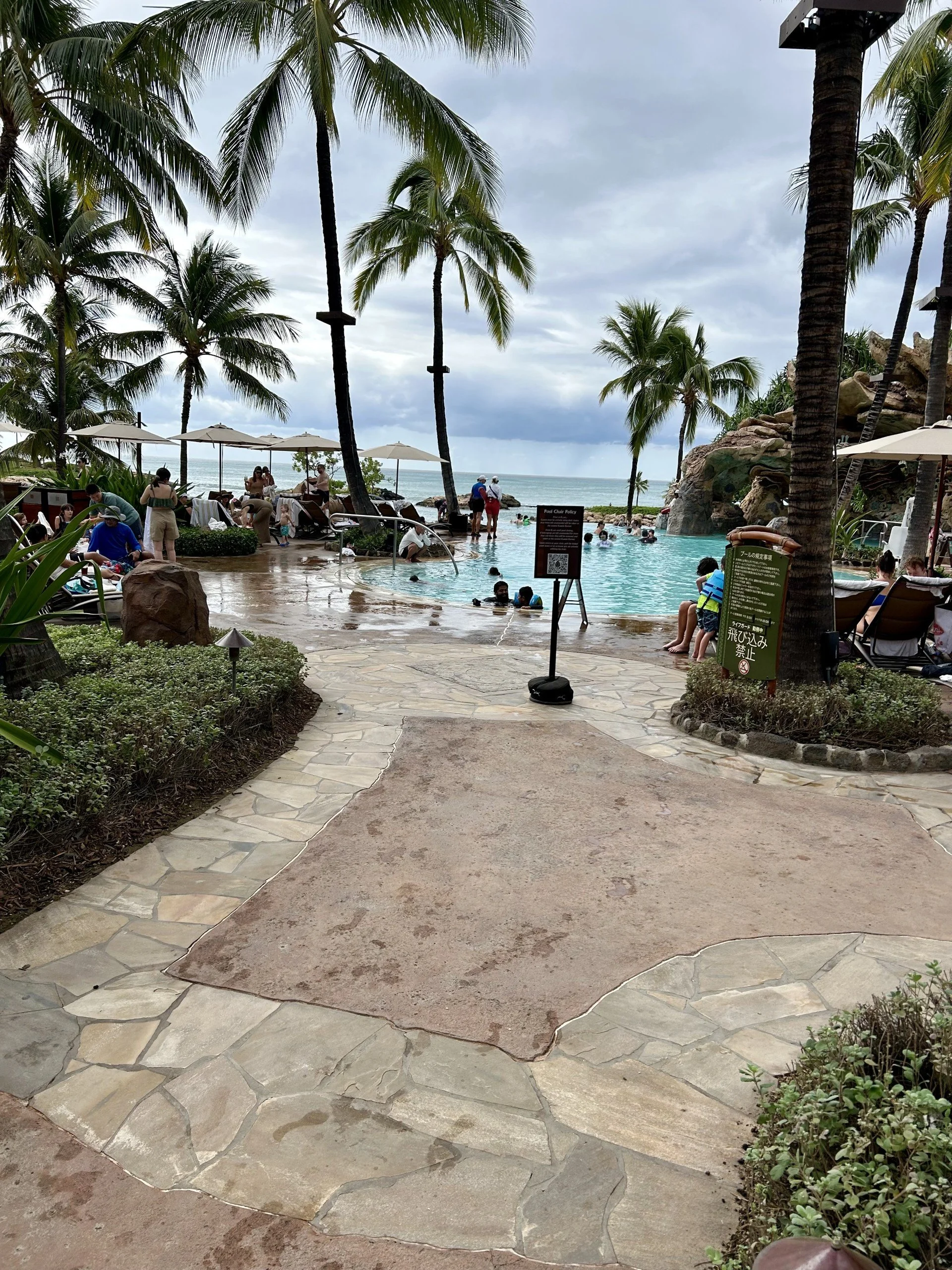
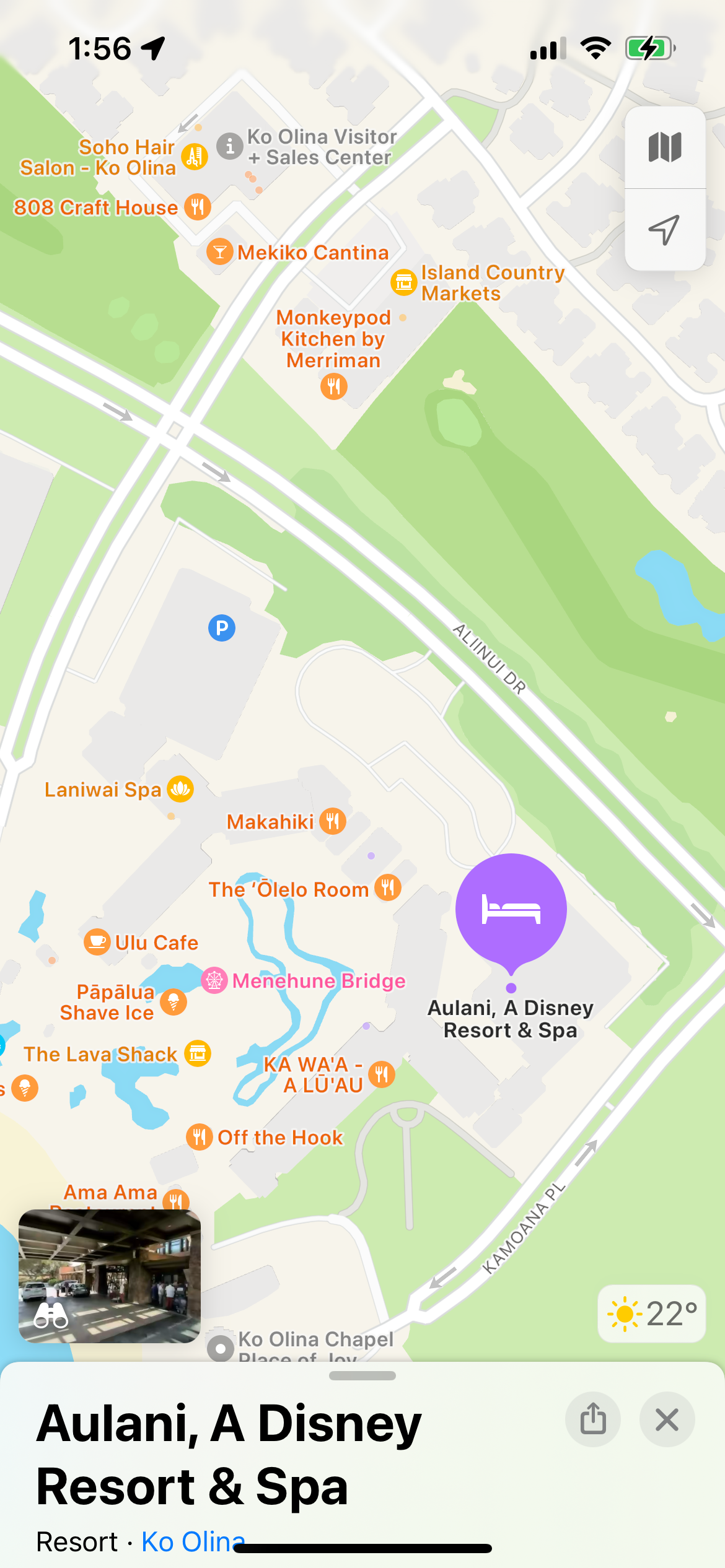
There are also some small shops (Island Country Markets) and more affordable restaurants about a 5 minute walk from Aulani as shown in the map picture.
Bonus info: if you are looking for more affordable ways to stay at Deluxe Disney Resorts in the US (we saved about 50% compared to the rack rates for our stay), click here to read our guide for renting DVC points.
Accessibility for people with hidden disabilities, including autism, is still relatively new for many organisations, and in many cases these needs simply haven’t been fully considered yet. That doesn’t always reflect a lack of care, but rather a lack of awareness, experience, or guidance. By asking questions, sharing feedback, and advocating for clearer information and more inclusive practices, travellers can play an important role in shaping change. Every conversation, request, and piece of feedback helps signal that accessibility matters, and that autistic people and families belong in these spaces too. So if there is somewhere close that you would love to visit but you don’t feel they are quite there yet, take a minute to gently advocate for change. The more families like ours that ask for and expect inclusion, the more likely it will happen.
There are organisations globally you can assist organisations in improve their ‘autism friendliness’ in Australia, the USA and the UK. If you want to point these organisations in the direction of support in doing this work, these include:
Australia / New Zealand: Aspect’s Autism Friendly
USA: IBCCES Certified Autism Center™ (CAC) program and Autism Friendly Club
UK: National Autistic Society